Scenario #2




#2 – Light Wood Frame Construction + Secondary Materials incorporating DfD and Prefabrication
Design for Disassembly Strategy
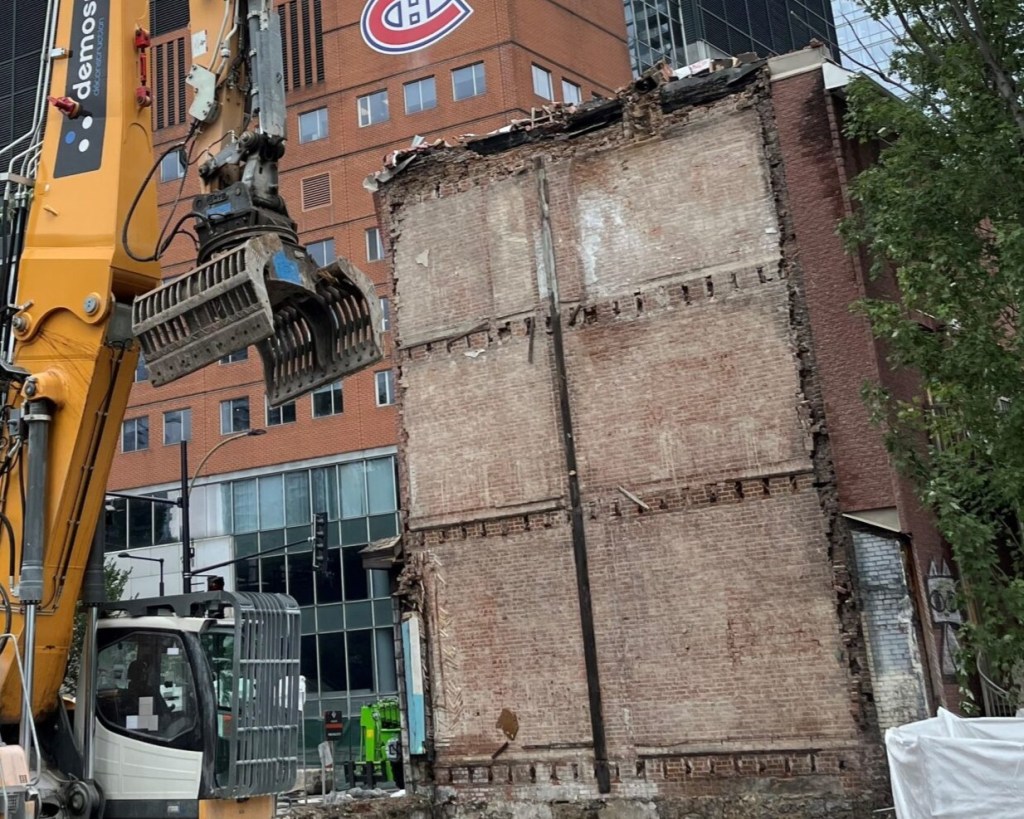
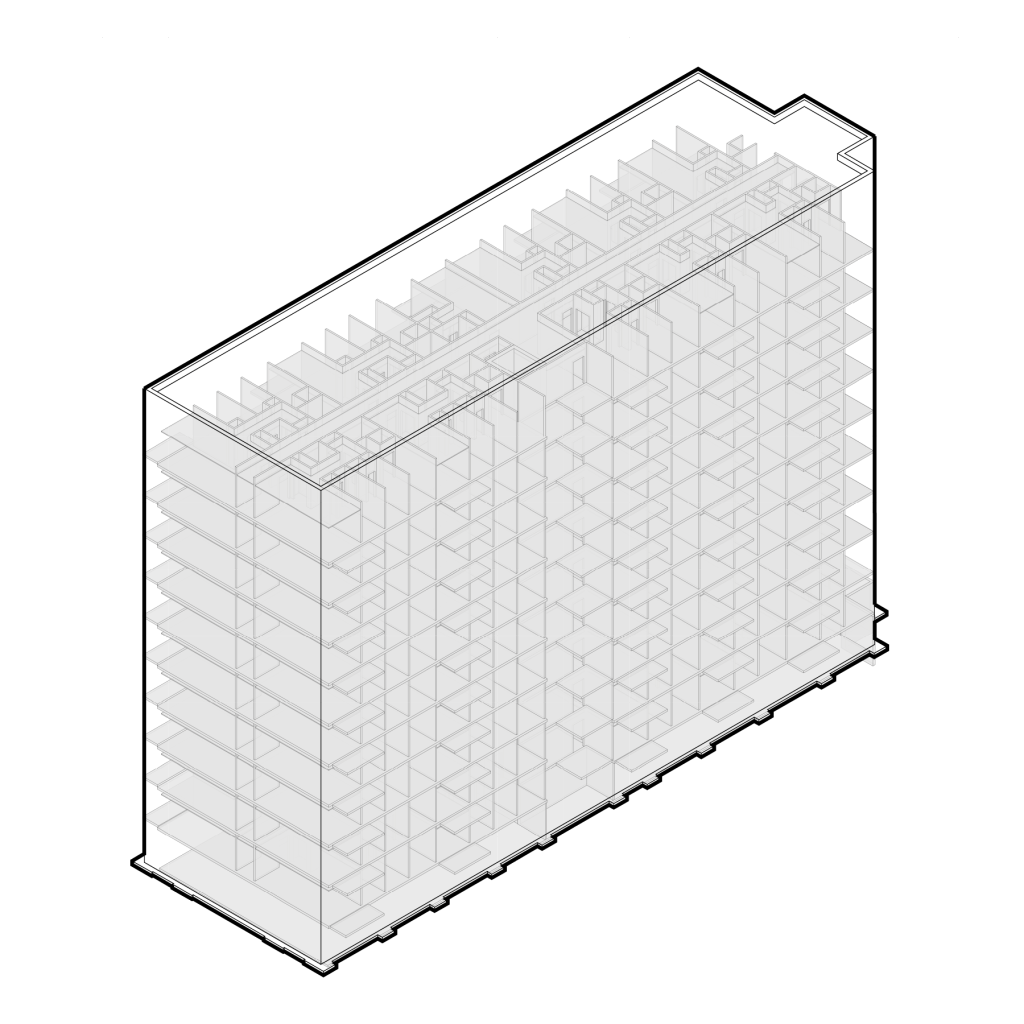
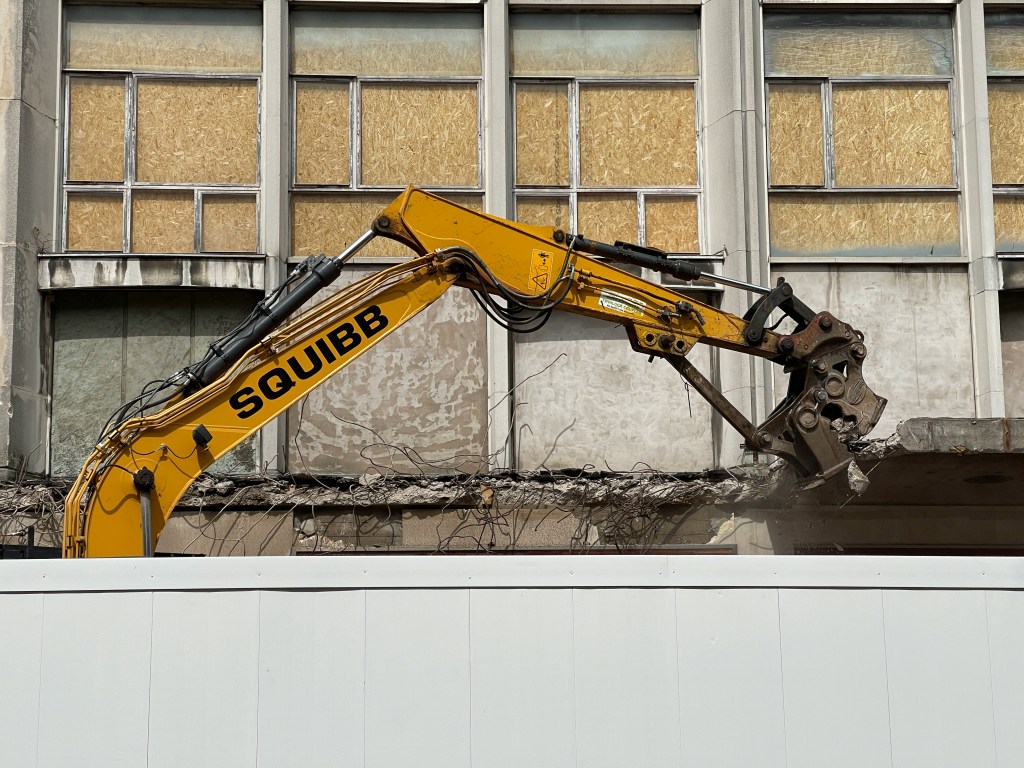
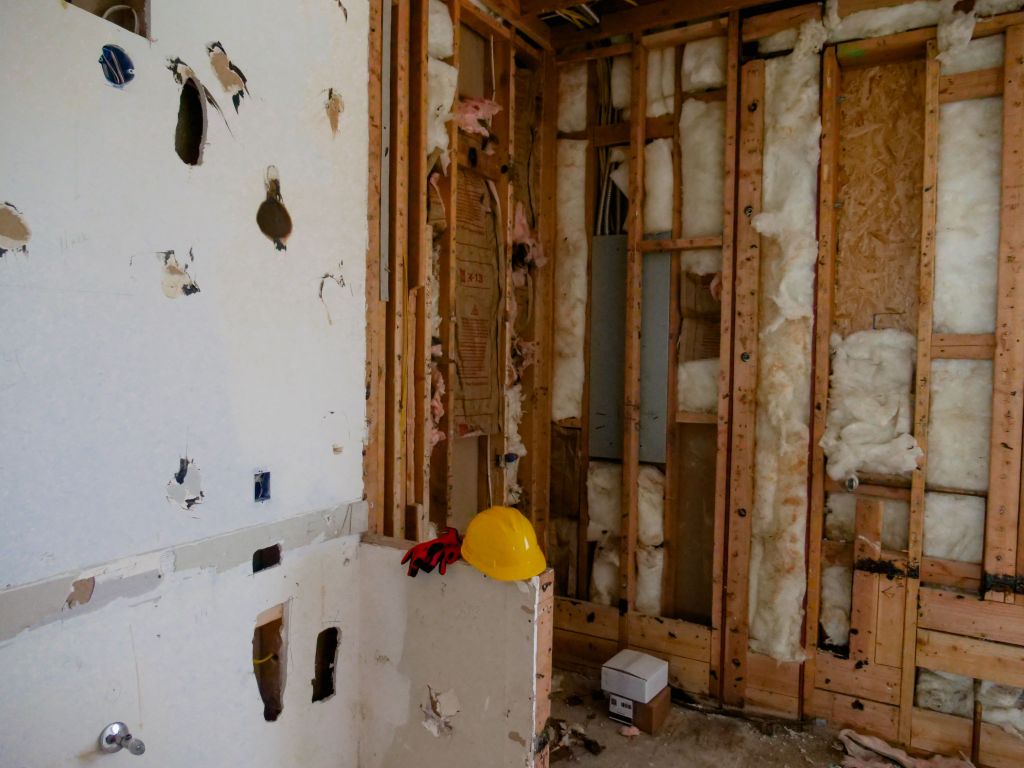
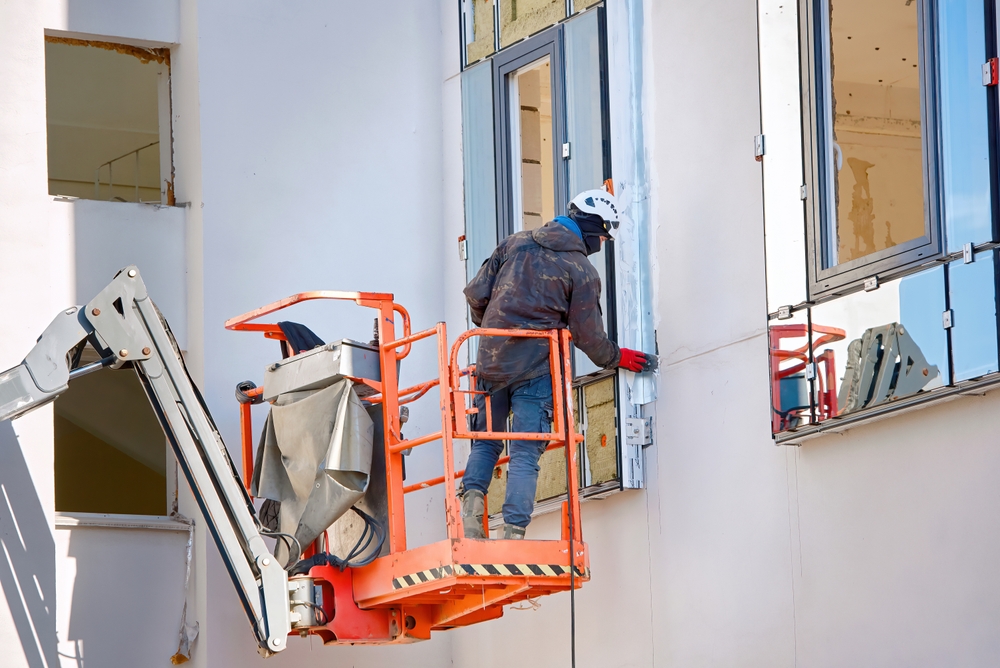
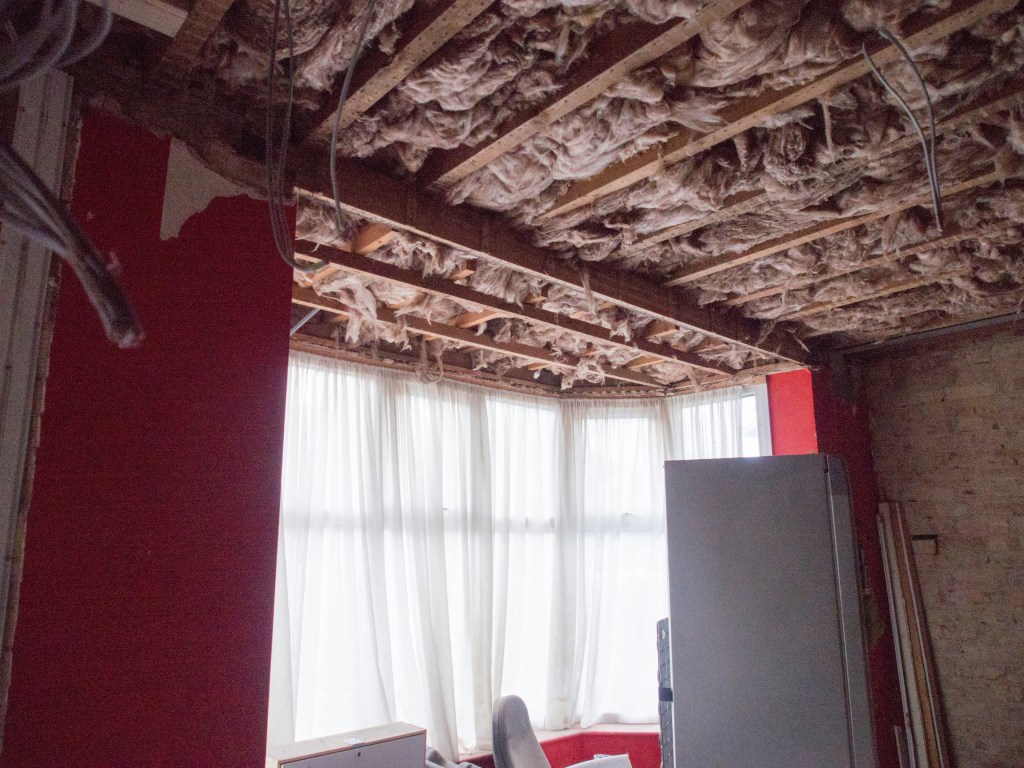
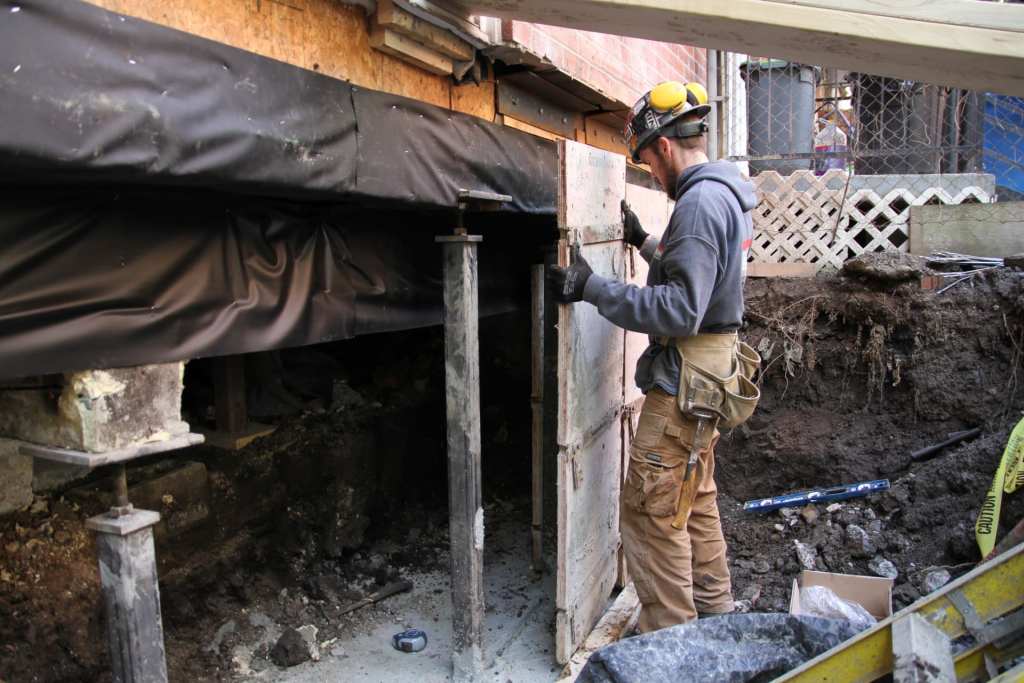
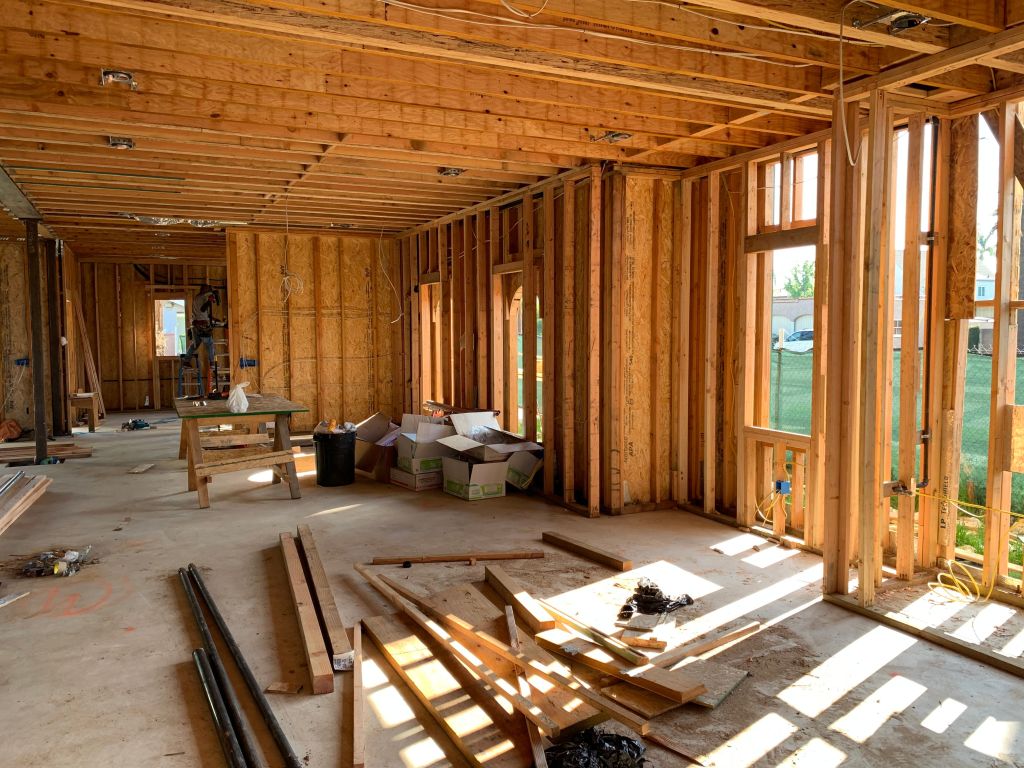
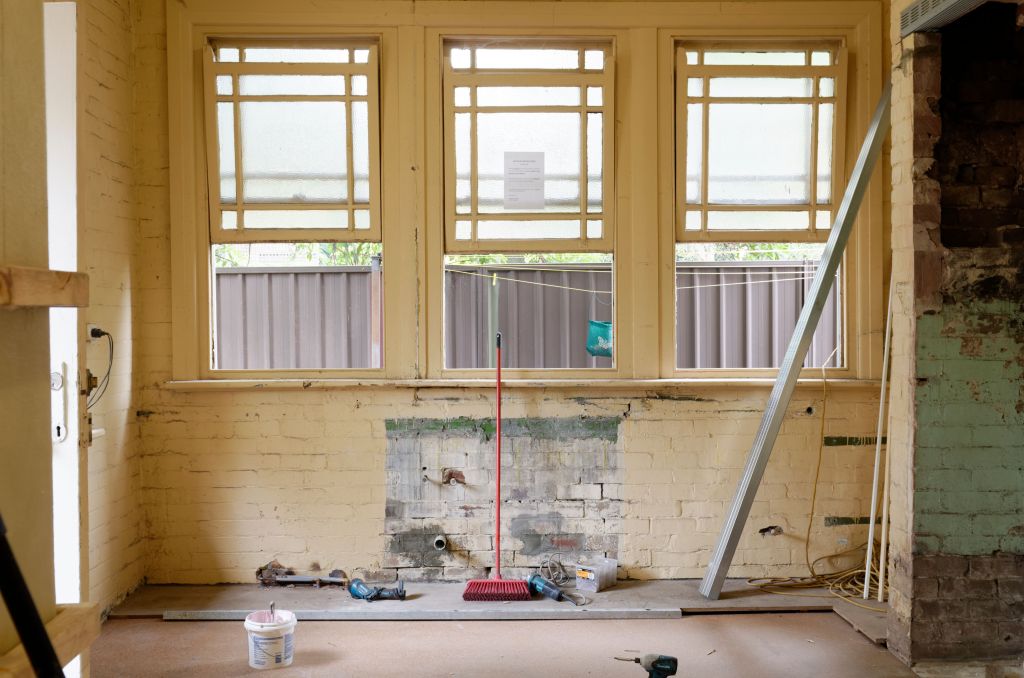
This prototype scenario examines the use of secondary construction materials within a conventional light wood frame building system combined with DfD strategies and prefabricated construction methods. Using a conventional light wood frame structural system similar to current Canadian construction practices, the scenario explores opportunities to replace selected new building products with reclaimed, salvaged, or remanufactured materials recovered through the selective deconstruction methodology proposed in CE Methodology. Selective deconstruction involves the systematic dismantling of buildings to preserve materials and components for future reuse rather than being demolished as mixed waste. This process maximizes material recovery, reduces construction and demolition waste, and increases the availability of high-quality secondary materials for future building projects. Combined with DfD strategies, this scenario seeks to retain material value, reduce waste generation, and decrease dependence on virgin resources.
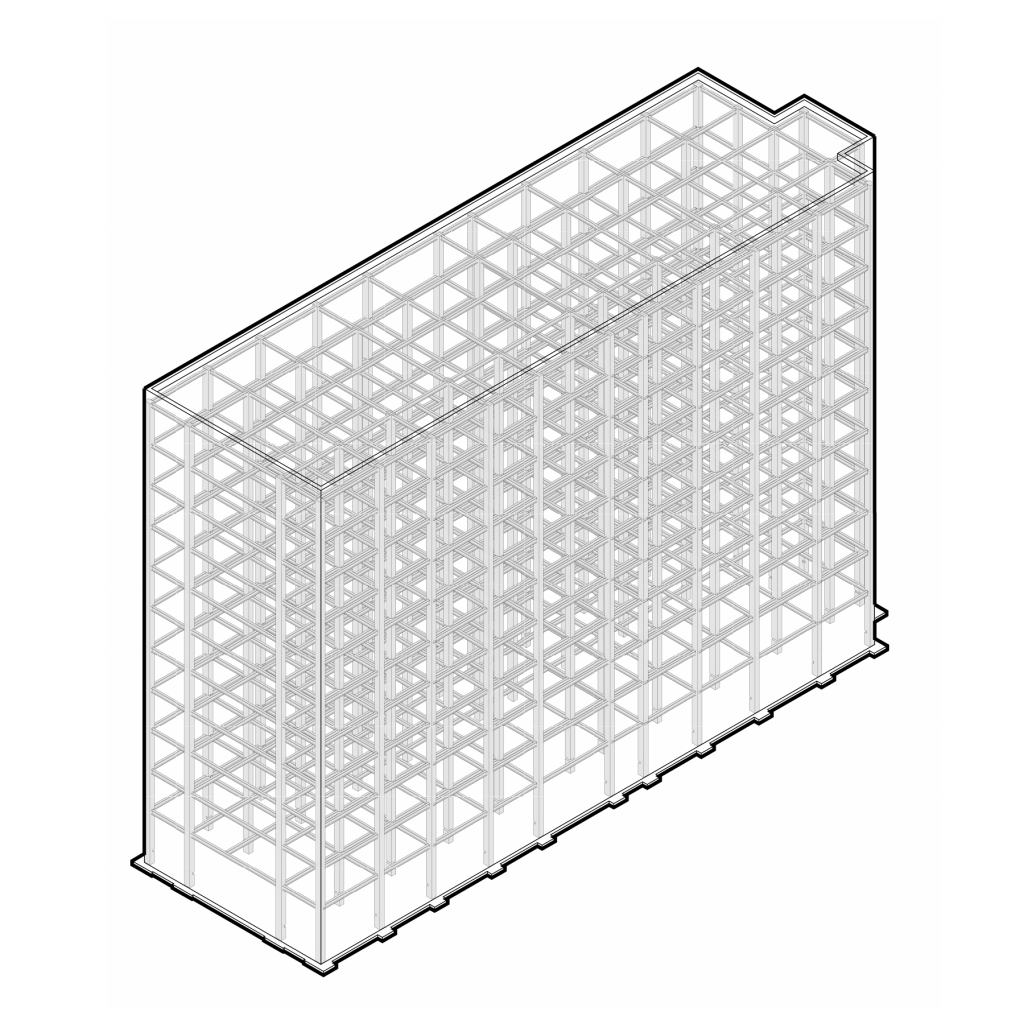
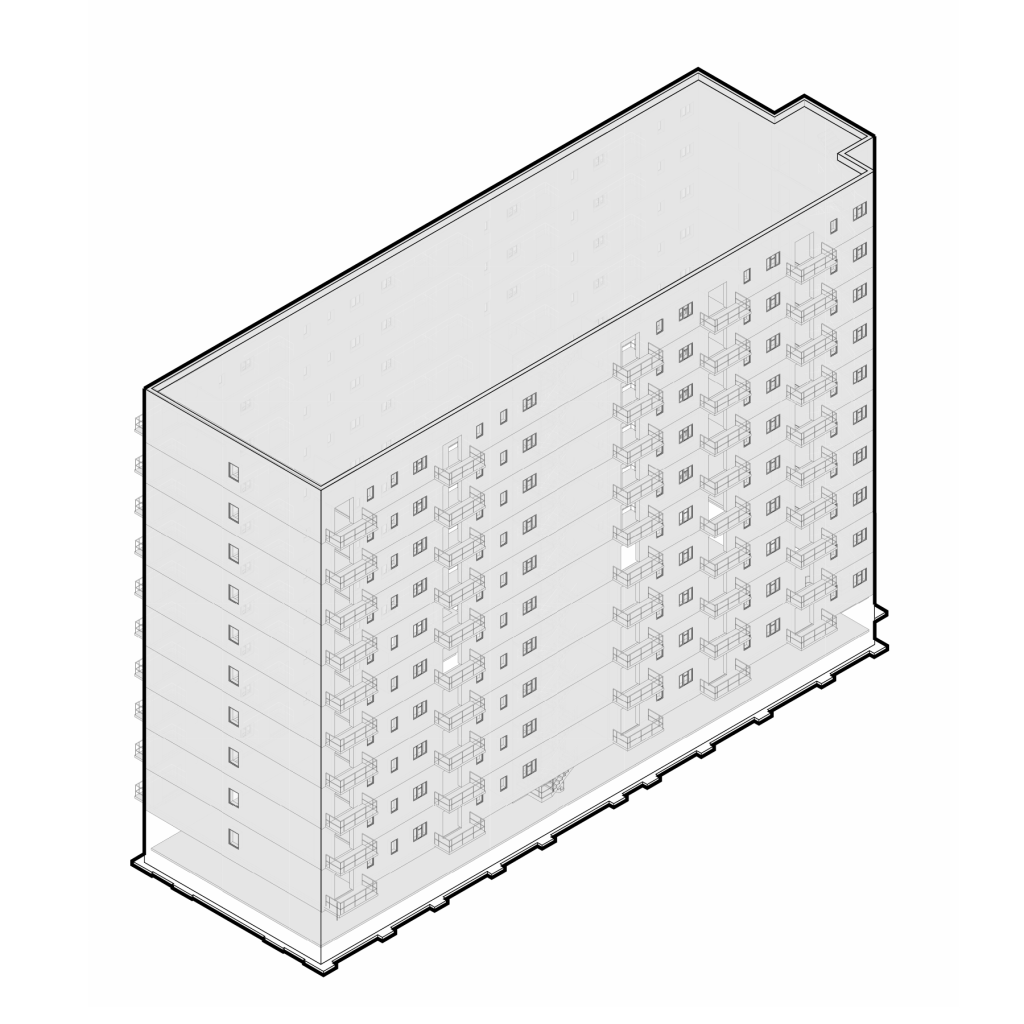
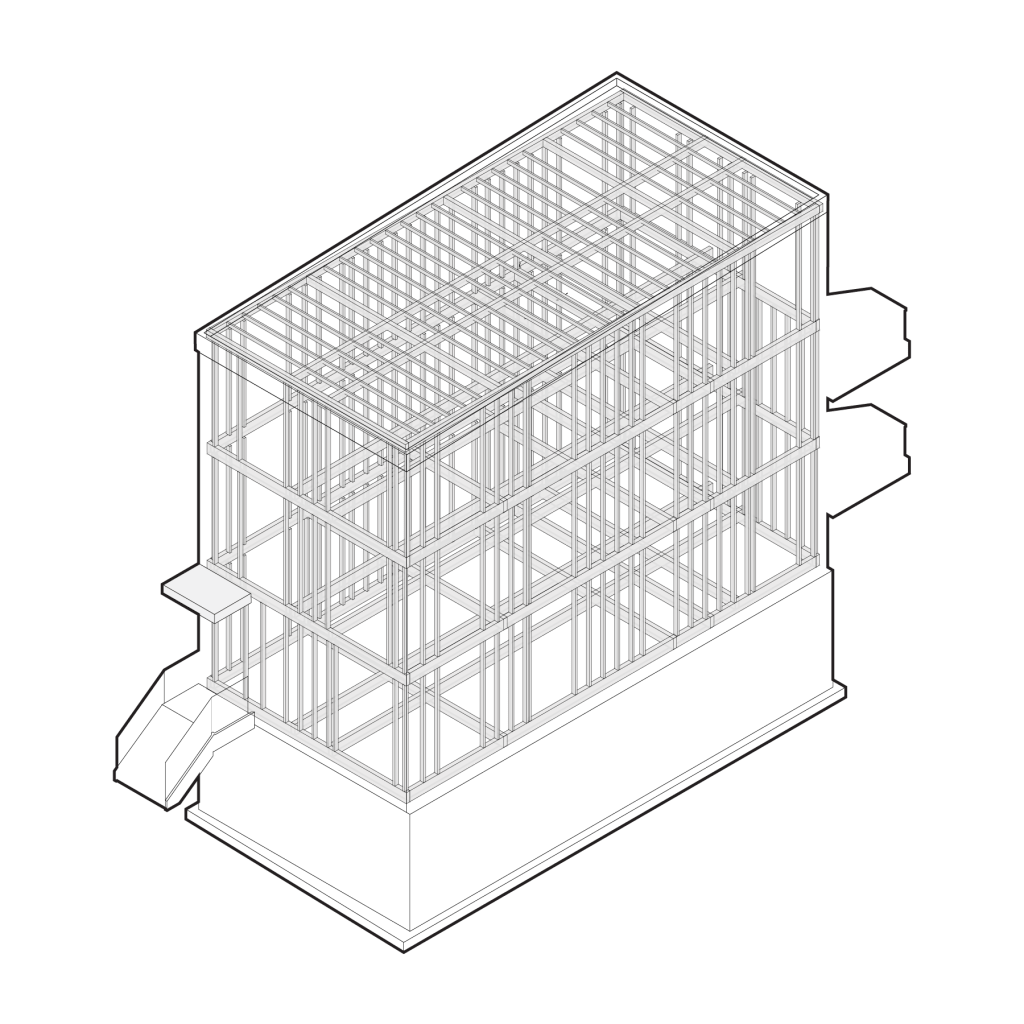
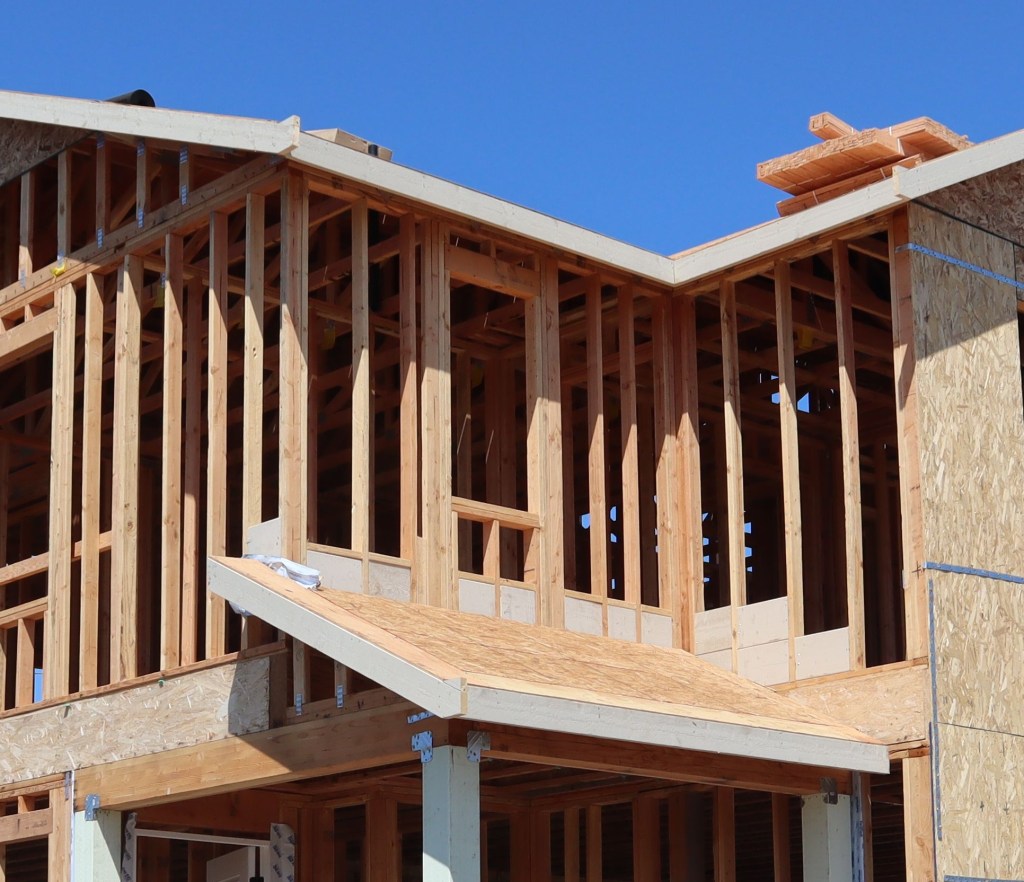
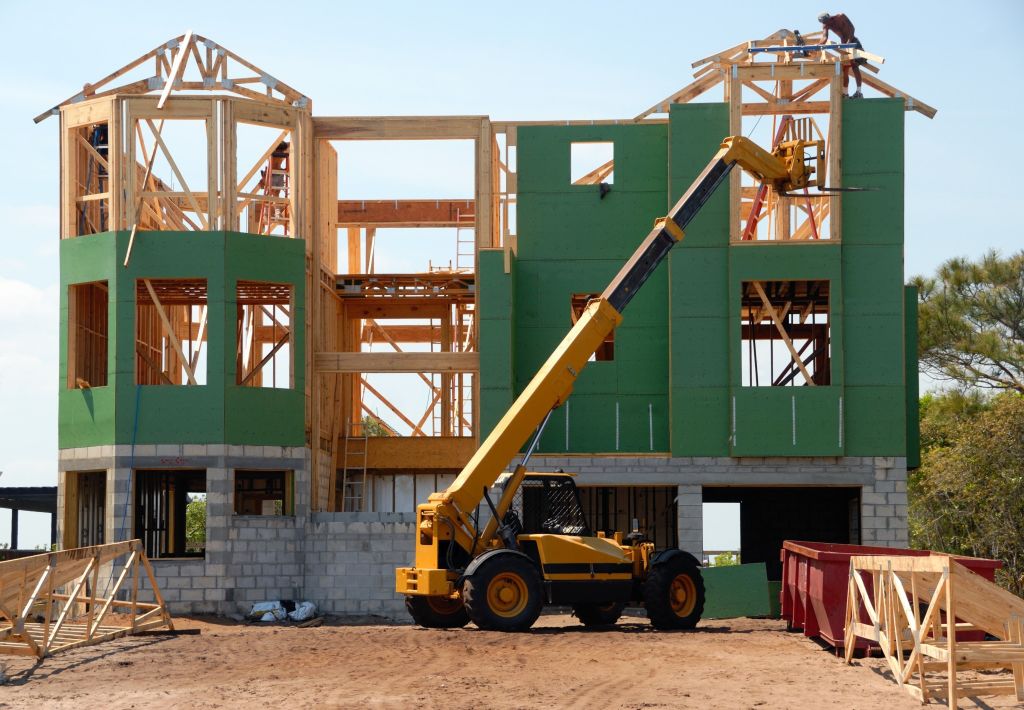
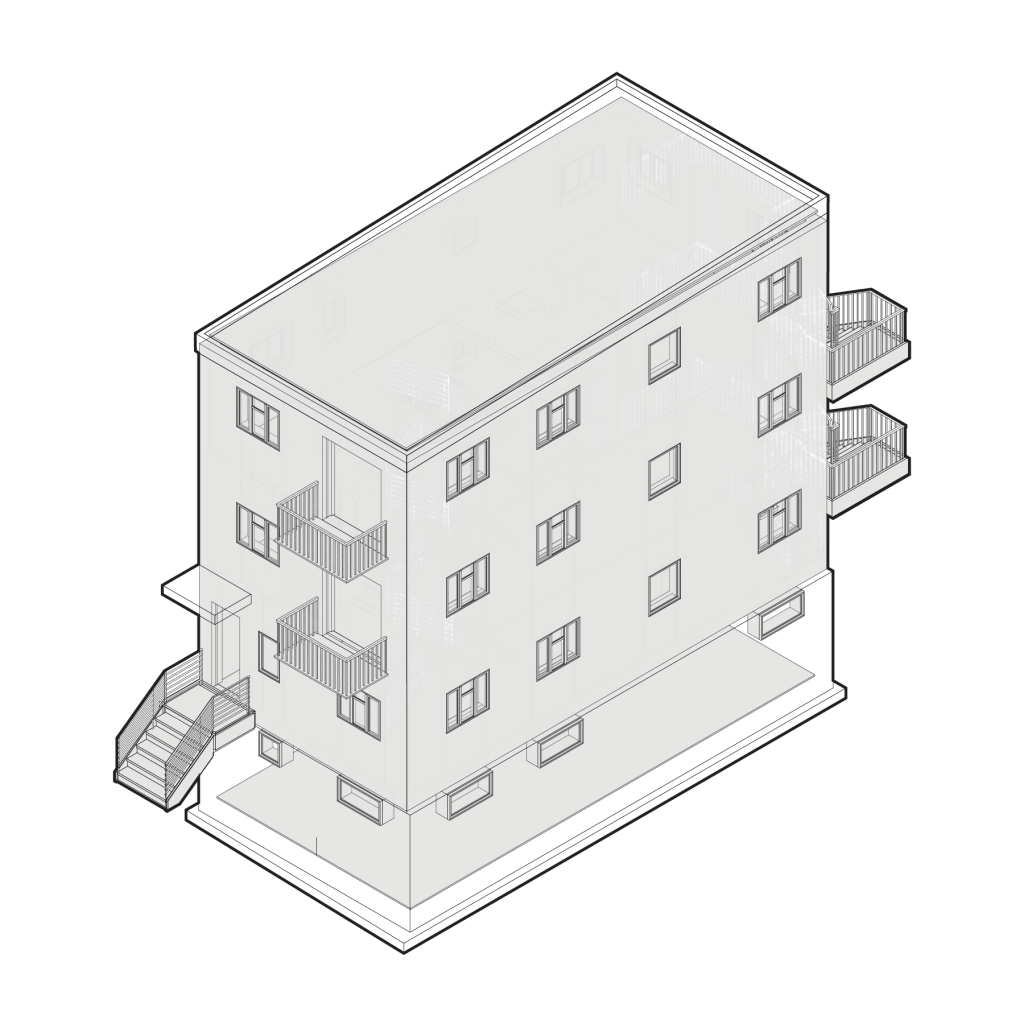
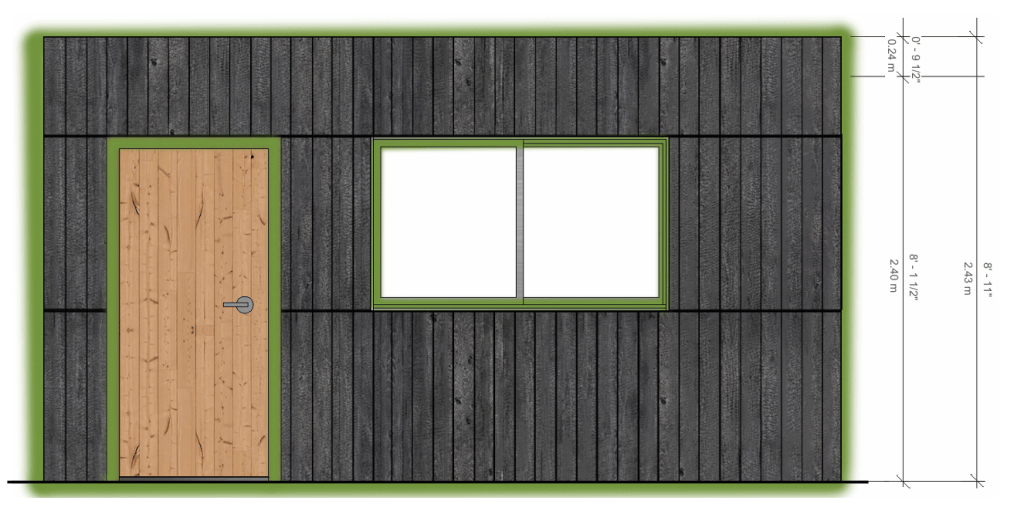
The prototype maintains a familiar light wood frame structural system to ensure compatibility with current construction methods and industry expertise. While the primary structure consists of new wood framing, opportunities for integrating secondary materials are explored throughout the building envelope, finishes, and selected building components, as highlighted in green in Figures 2-7.
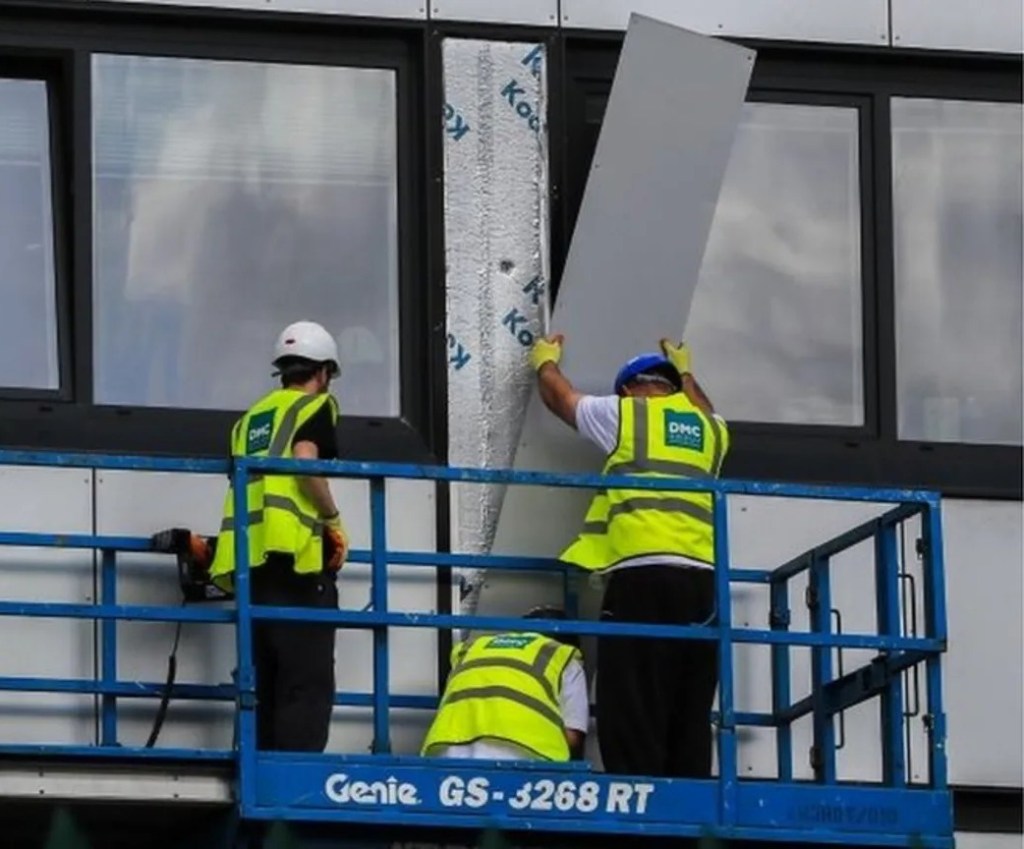
A key objective of this scenario is to demonstrate how secondary materials can be integrated into contemporary light wood frame housing while maintaining performance standards and affordability. In this regard, DfD plays a central role in ensuring that reused materials retain their value beyond a single building lifecycle. Components are designed to be accessible, removable, and replaceable through reversible connections as showcased in the previous chapter. This approach facilitates future material reuse and supports maintenance, repair, and renovation throughout the building’s lifespan.
The affordability implications of this scenario are particularly important. Recovered materials may reduce material procurement costs while simultaneously creating local markets for reclaimed products. However, these potential savings must be balanced against the labour and logistical requirements associated with material recovery and processing [1]. Evaluating these trade-offs forms a key part of the broader CE methodology.
From an environmental perspective, reusing existing materials can reduce demand for resource extraction, manufacturing, and transportation while diverting construction materials from landfills. The scenario examines how secondary materials can improve the environmental performance of housing while supporting circular resource flows. The comparison with Scenario 1, which establishes the new-material baseline, helps assess the environmental benefits and trade-offs associated with material reuse.
LCA/LCCA
—
references
Hector Martin et al., “Too Good to Waste: Examining Circular Economy Opportunities, Barriers, and Indicators for Sustainable Construction and Demolition Waste Management,” Sustainable Production and Consumption 48 (July 2024): 460–80, https://doi.org/10.1016/j.spc.2024.05.026.
#2 – Light Wood Frame Construction + Secondary Materials incorporating DfD and Prefabrication
This prototype explores the integration of secondary materials within a wood-frame structural system and DfD principles. It demonstrates how material reuse can be incorporated into contemporary housing while supporting circular resource flows and providing a direct comparison to the baseline scenario.